
Our Services
Professional spindle reconditioning and modification services.
Spindle Reconditioning
Complete dismantling, grinding, reassemble with high precision bearings and balancing all the industrial spindles. We restore optimal speed and absolute precision to keep your production running smoothly.
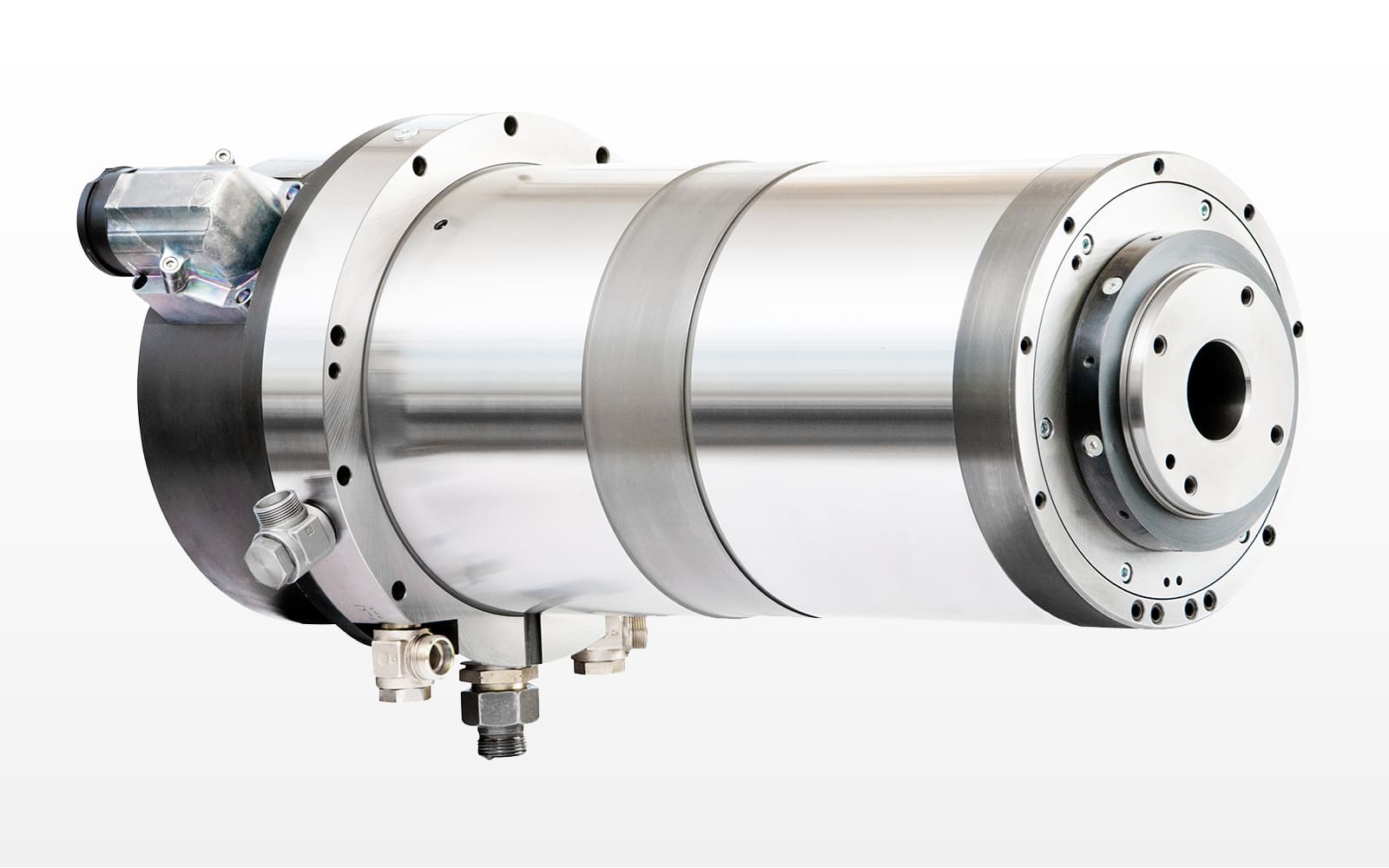
Hydrostatic Spindle
Hydrostatic spindles represent the absolute pinnacle of machine tool precision. Unlike standard spindles, they do not use mechanical ball or roller bearings. Instead, the rotor shaft floats on a highly pressurized, microscopic film of oil (or sometimes air, in aerostatic models). Because there is zero metal-to-metal contact during operation, they offer infinite theoretical wear life, incredible vibration damping, and sub-micron rotational accuracy. However, when they fail—usually due to oil contamination, blocked capillary restrictors, or a drop in hydraulic pressure—the resulting high-speed metal-to-metal crash causes severe scoring to the bearing surfaces. Rebuilding them is less about replacing parts and entirely about ultra-precision machining and fluid dynamics.
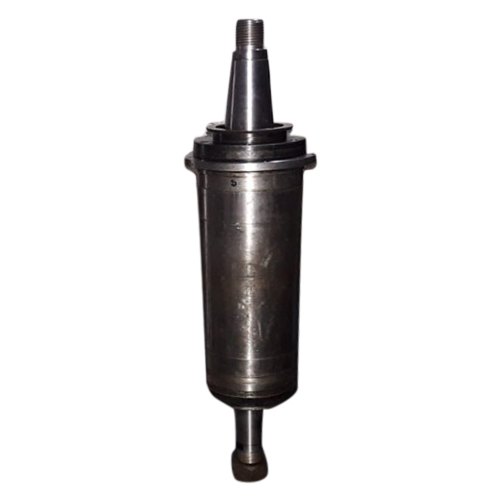
Hydrodynamic Spindle
While hydrostatic spindles rely on external high-pressure pumps to float the shaft, hydrodynamic spindles generate their own fluid pressure. As the spindle shaft rotates, it acts like a pump, drawing oil into a microscopic wedge-shaped gap. At operating speed, the shaft effectively "hydroplanes" on this pressurized oil film, providing massive radial load capacity and exceptional vibration damping. Because they rely on rotation to create the oil wedge, there is always brief metal-to-metal contact during startup and shutdown. Over thousands of cycles, or if oil viscosity breaks down, this friction causes scoring on the shaft journals and the soft metal bearing sleeves, requiring specialized restoration.
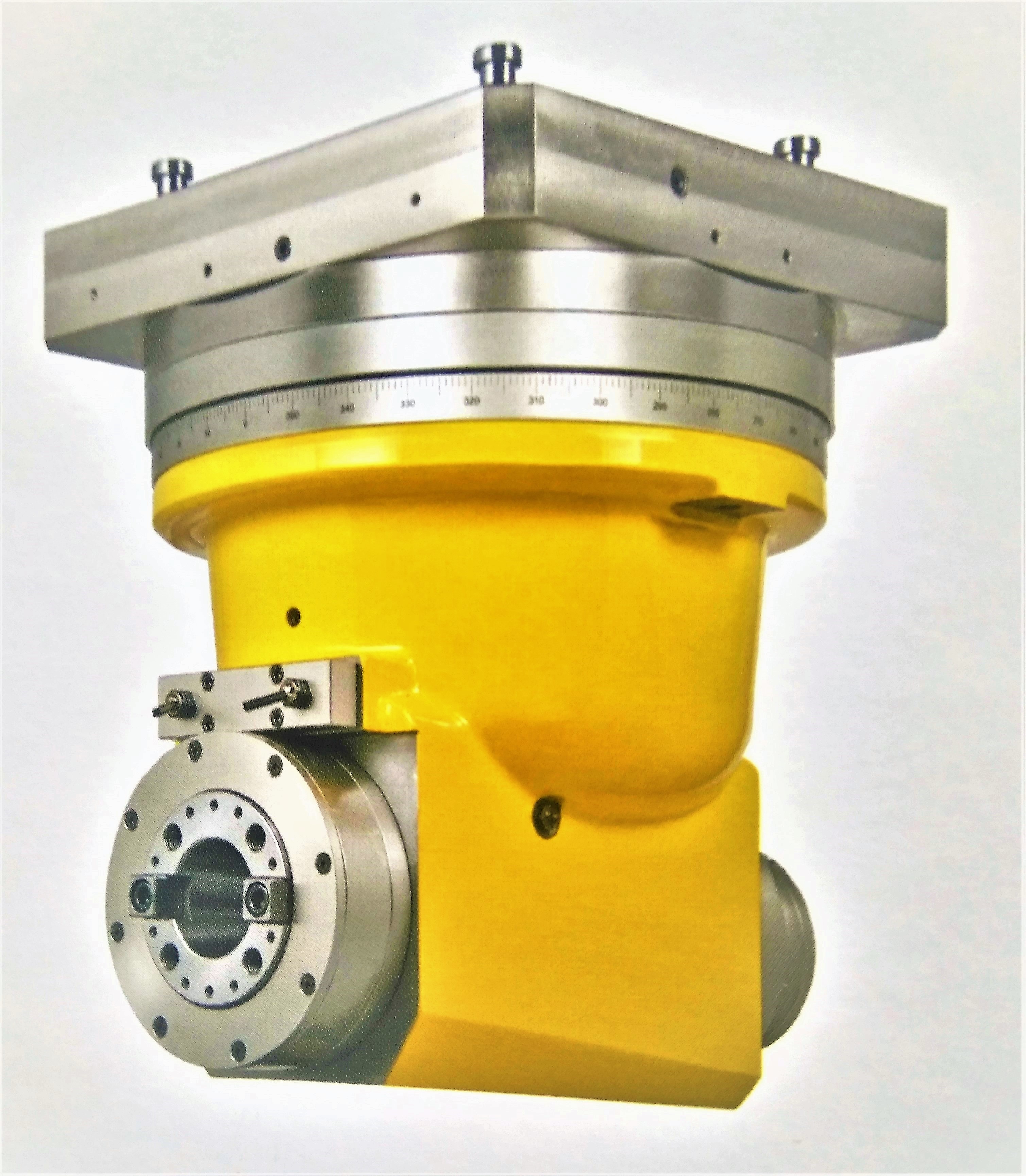
Milling Heads
Reconditioning a CNC milling head—whether it's a right-angle head, a universal bi-rotary head, or a heavy-duty attachment—is a precision engineering process. These heads endure massive torque and complex multi-axis forces, meaning even microscopic wear on the internal bevel gears or bearings can ruin surface finishes and destroy tools.
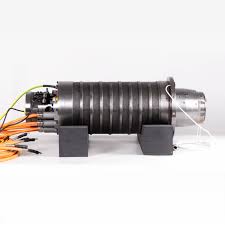
Machining Centre
Reconditioning a CNC Machining Center (VMC or HMC) goes far beyond routine maintenance or localized repairs. It is a complete bare-metal restoration of the entire machine tool, designed to bring a tired, inaccurate machine back to its original OEM geometry and performance—often for a fraction of the cost of purchasing new equipment. Over millions of cycles, a machine's cast-iron foundation physically shifts, guideways wear unevenly, and mechanical drives develop backlash. Reconditioning corrects all of these fundamental structural issues.
Turning Centre Spindles
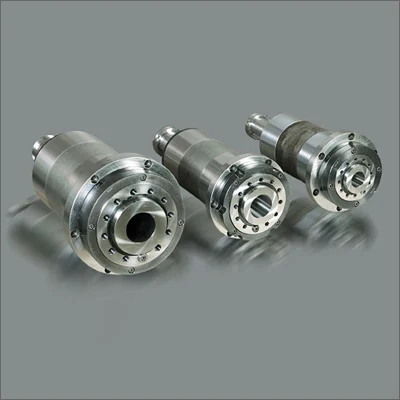
Unlike milling spindles—which primarily deal with high speeds and axial tool loads—a turning center (lathe) spindle is built to withstand massive radial loads from heavy workpieces, severe shock from interrupted cuts, and the constant clamping forces of hydraulic chucks. Because the entire weight of the chuck and the part hangs off the front of the spindle face, the bearing configuration and reconditioning process are entirely different from a VMC or HMC.
Grinding Spindles
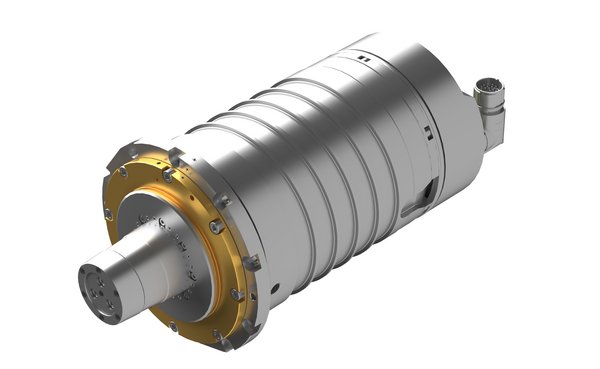
Grinding spindles operate in a completely different class from standard milling or turning spindles. Running at extreme speeds—often between 10,000 and over 100,000 RPM—they dictate the ultimate surface finish of a part. Even a fraction of a micron of runout or the slightest bearing vibration will leave visible chatter marks on a ground component. Furthermore, because grinding environments are filled with highly abrasive swarf (microscopic metal and abrasive wheel dust), these spindles require specialized sealing and ultra-precision rebuilding techniques to survive.
Inhouse Facilities
Spindle Health Check Up
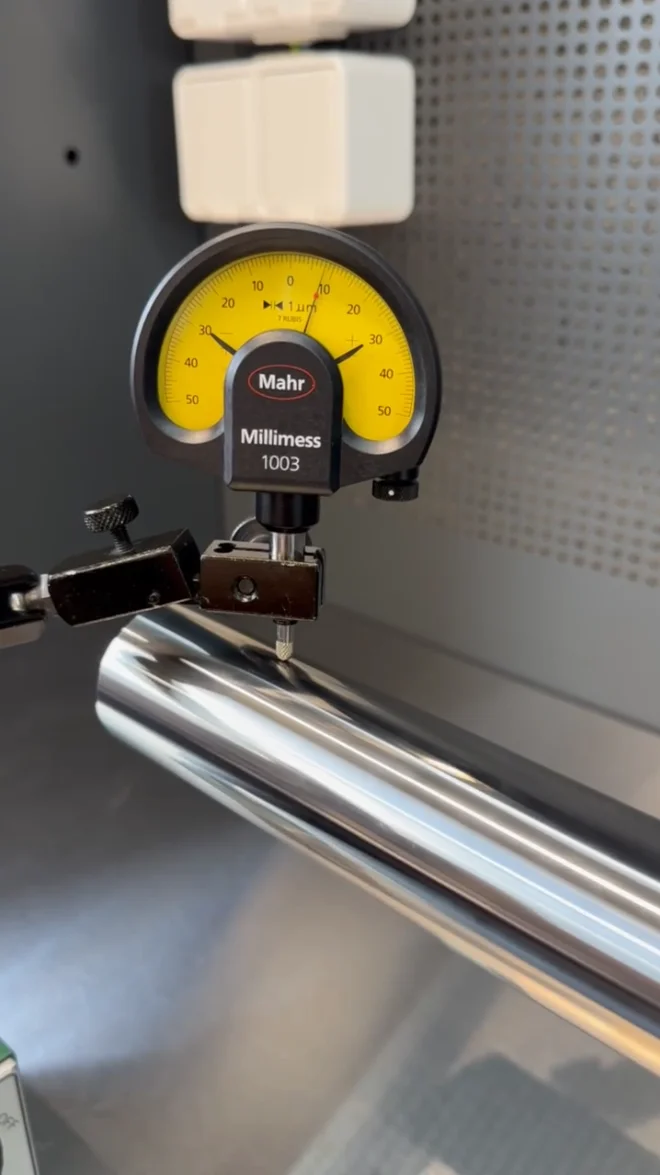
A comprehensive spindle health check-up is a systematic evaluation of both the static and dynamic conditions of the unit. Whether diagnosing an issue on the machine tool or bringing a unit in for reconditioning, the check-up is generally divided into two main phases: the initial diagnostic assessment (pre-inspection) and the validation testing (final inspection).
Spindle Condition Monitoring System
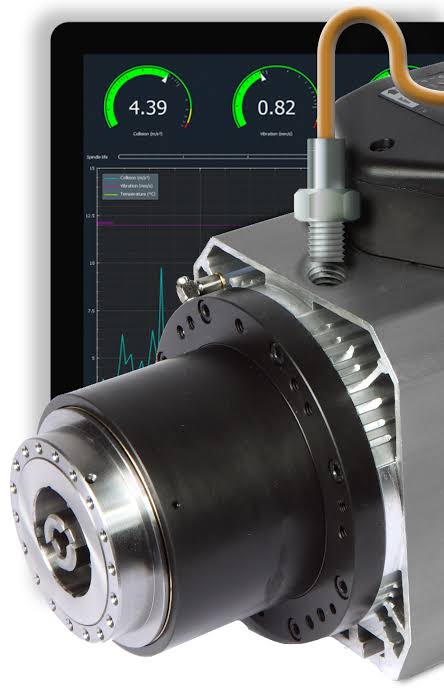
A Spindle Condition Monitoring System (SCMS) is an integrated network of sensors, data acquisition hardware, and diagnostic software designed to track the real-time mechanical and thermal health of machine tool spindles. Instead of waiting for a machine to break down, this system analyzes continuous telemetry to detect microscopic anomalies—shifting your maintenance strategy from reactive (fixing broken parts) to predictive (addressing wear before failure).